
Your Flashing Authority
Requirements to Hard Roller Self-Adhered Air Barrier Materials
Big Idea
Proper application techniques, such as hard rolling with a rubber or steel roller, are essential for ensuring full adhesion of products like self-adhered membranes and ashing materials, as outlined in the manufacturers’ literature. Failure to adhere to these guidelines may result in inadequate adhesion, leading to issues such as wrinkles, blisters, or loss of adhesion at lap seams, due to the inability of hand pressing to effectively push the adhesive into substrate irregularities, unlike hard rolling which ensures optimal adhesion by conforming the material to both high points and valleys.
How much of a difference does it make?
Here are peel adhesion test results utilizing test method ASTM D903 for rubberized asphalt and butyl membranes as an example of the difference it makes.
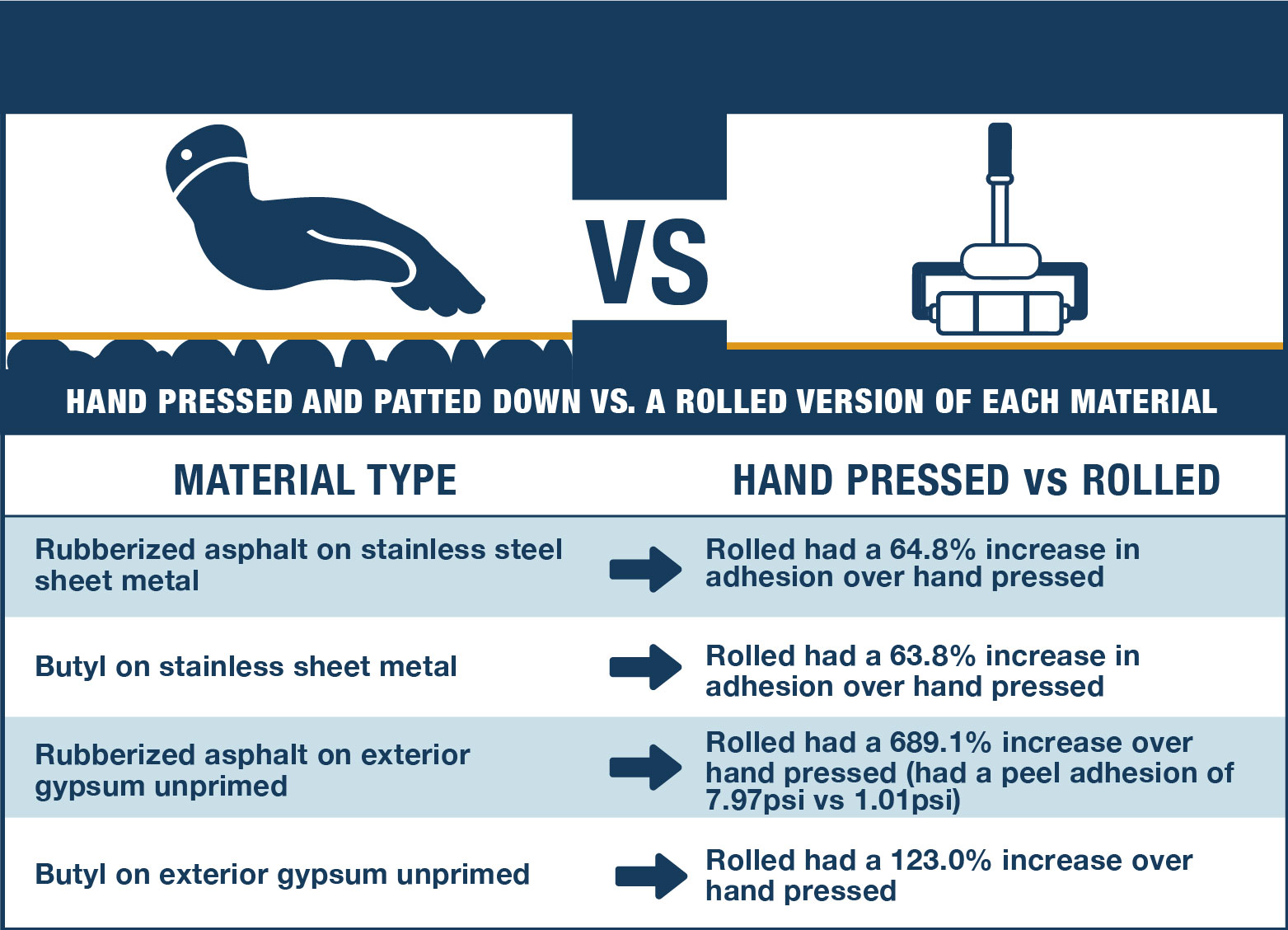
Why is this important that you hard roller self-adhered membranes?
Products like self-adhered membranes (permeable or non-permeable) for the field of the wall, thru-wall flashing (TWF), window flashing transition membranes, self-adhering stainless steel and other materials that rely on an adhesive bond have excellent adhesive properties, provided that they are properly applied.
The manufacturers’ literature clearly states that these products must be hard rolled onto the substrate with a hard rubber roller or a steel roller.
The use of the application technique called “hand pressing”, using the back of a knife or a straight edge is not acceptable and does not allow the development of full adhesion.
What happens?
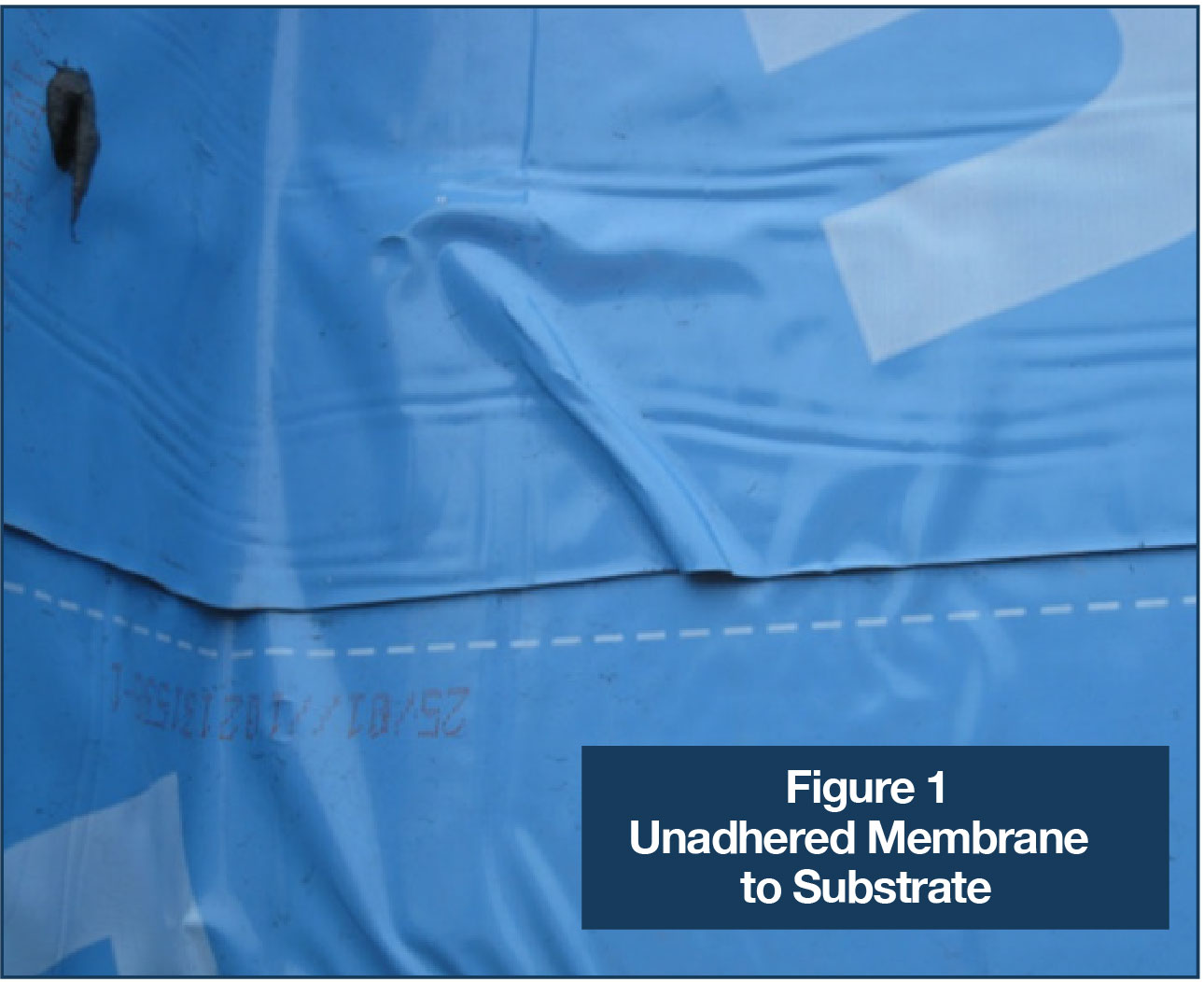
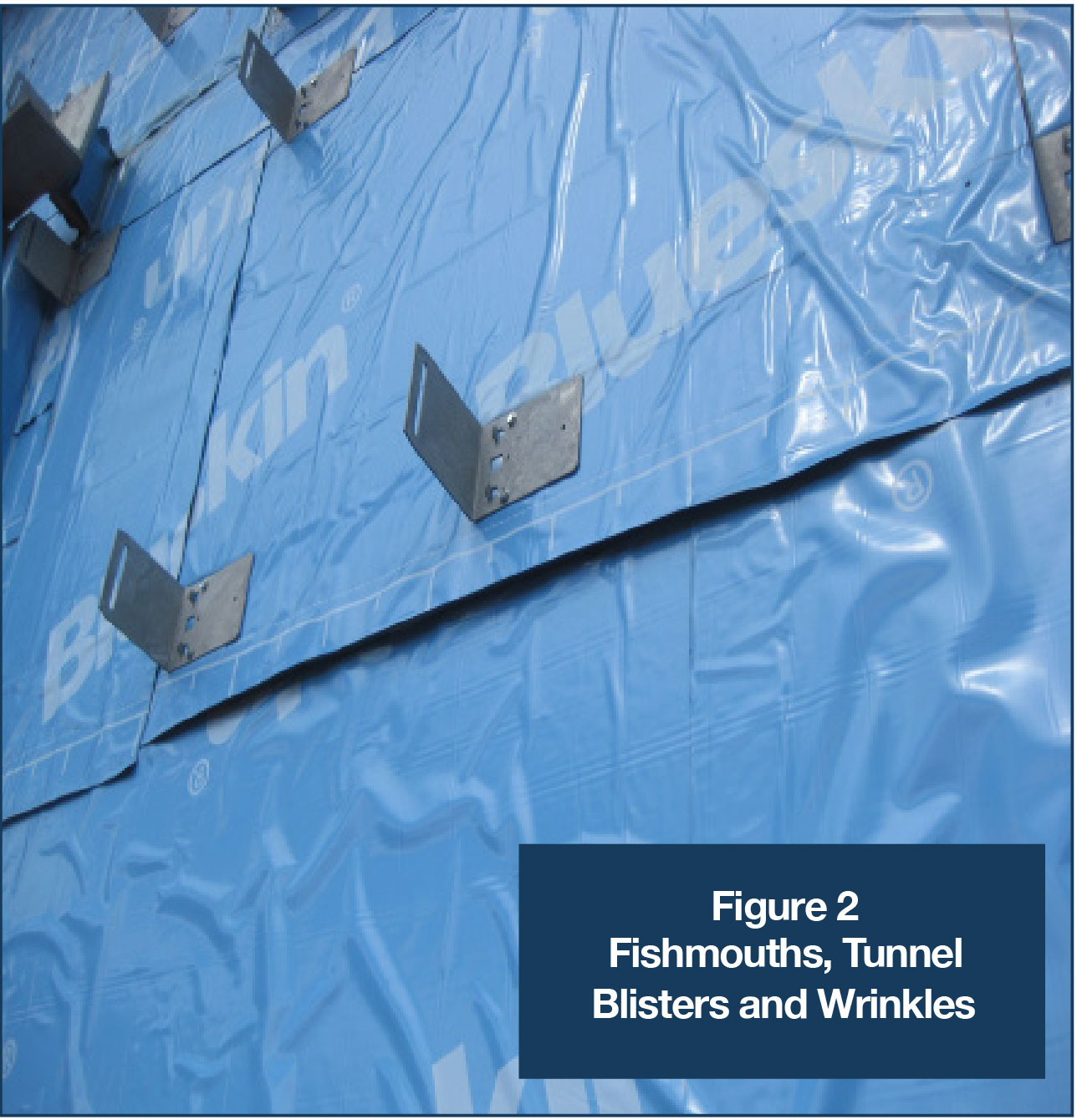
The air barrier membrane may not adhere as intended. The lack of full adhesion can be exhibited by wrinkles, “tunnel blisters”, unadhered membrane to the substrate, or lap seam loss of adhesion to the underlying sheet.
Why does this occur?
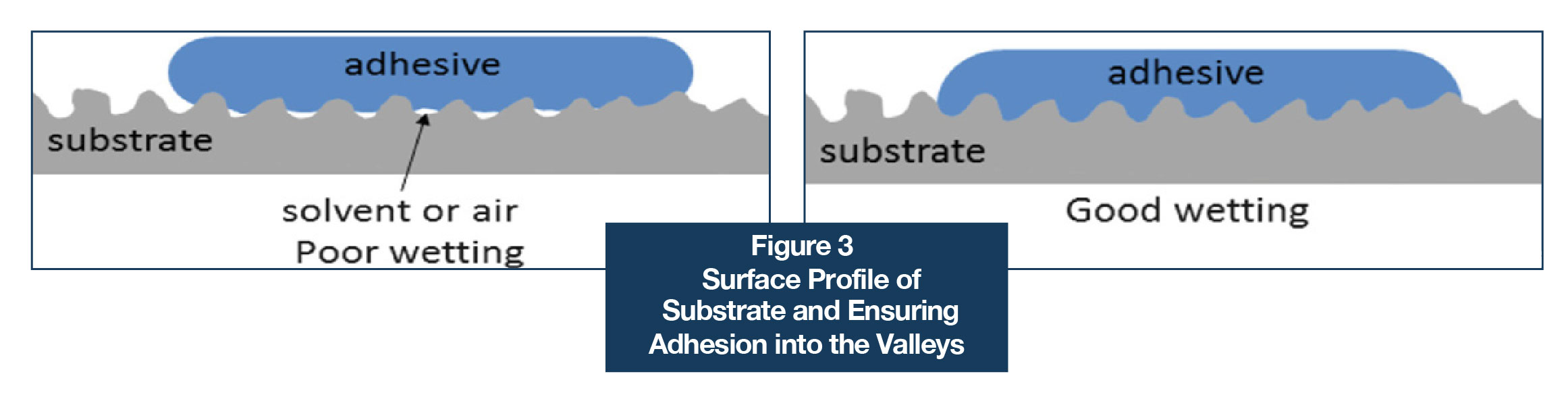
The pressure sensitive adhesives used with these products are thermoplastic by design. Thermoplastics are deformable by heat and/ or pressure. Hard rolling of these materials allows them to be pushed/deformed into both the high points and valleys of the substrate ensuring a very high percentage of adhesion. Hand pressing of these materials only allows adhesion to the top of the irregularities of the substrate, while hard rolling of the material allows the adhesive to be forced into the valleys of the substrate.
The drawing below illustrates this point:
What should you do?
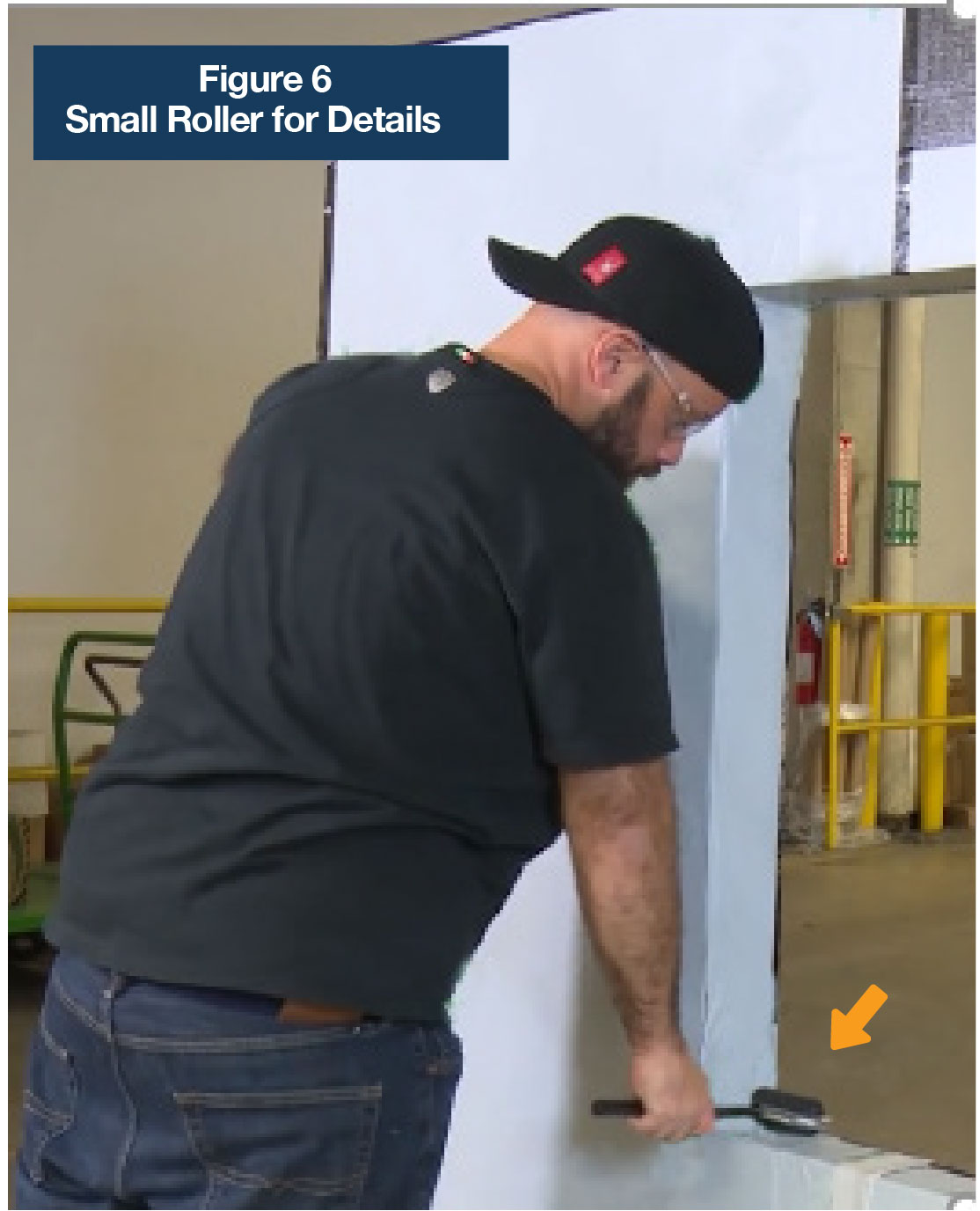
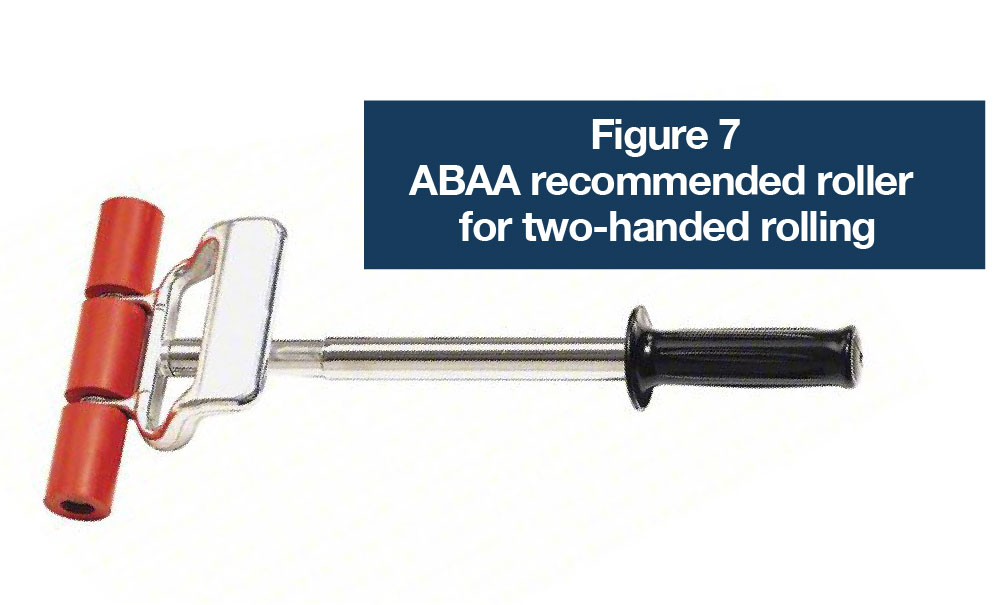
- Ensure you have a variety of sizes of hand rollers for the main membrane areas, but also for window and transition membranes
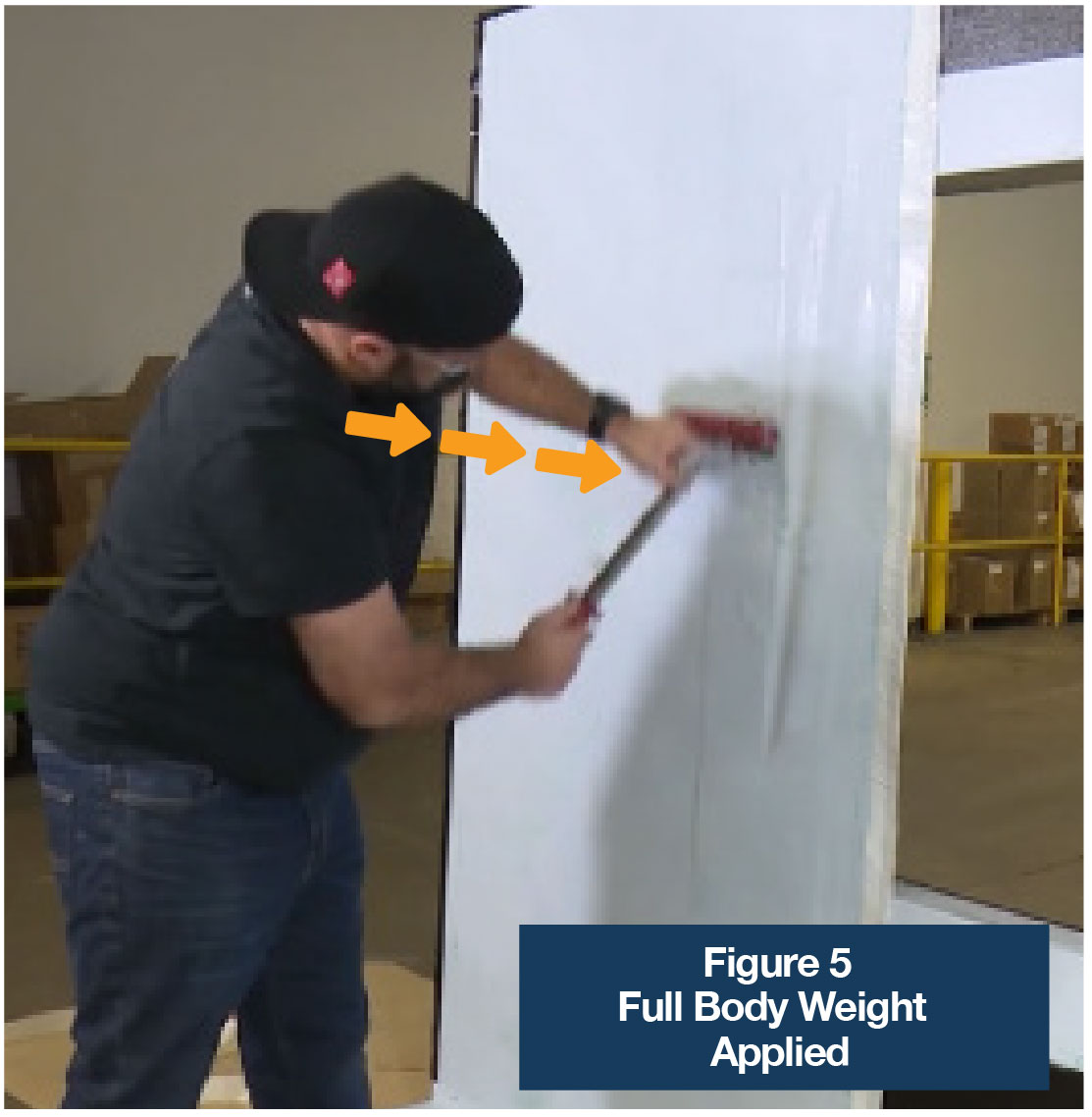
- Ensure that you use your full body weight to press the material firmly in place
- Hard roller the material within a short period after the installation
Conclusions
To ensure long-term adhesion and to prevent the potential for fish mouths, proper rolling is required, whether or not a primer is required by the manufacturer.
A hand pressed material may appear to be properly installed at first, but in a short time, it will debond from the substrate and wrinkle.
This is a requirement of all manufacturers that produce these materials. Project specifications and contract documents refer to meeting those specific instructions.