
Your Flashing Authority
Understanding the Different Types of Masonry Weeps:
Benefits and Limitations
In the construction of cavity walls, a crucial aspect is the evacuation of water that infiltrates the walls. Masonry cavity walls employ “weeps,” a variety of devices designed to drain water. Choosing the right weep can significantly impact the integrity and functionality of a wall. All weeps should be placed directly on the masonry flashing to promote drainage, there should be a sloped mortar bed to help the water flow to the weeps, and weeps should always be at least six inches above grade.
Here's an overview of the different types of weeps available, along with their advantages and drawbacks:
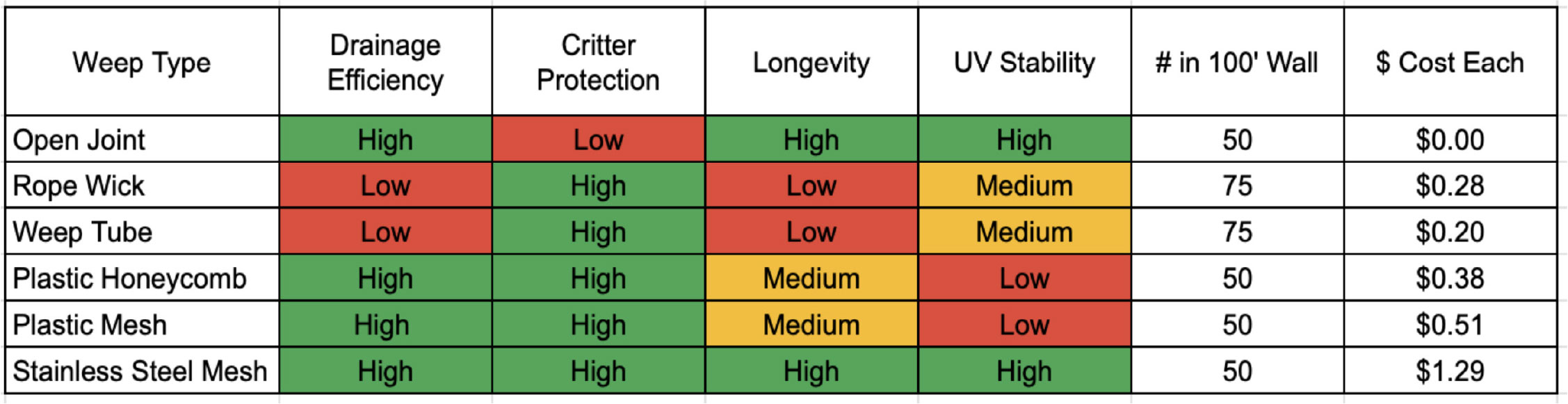
Open Joint: By omitting mortar between bricks every 24 inches, this method allows water to exit freely, and it’s cost-effective since it involves no additional materials. However, it has the significant downside of permitting entry to small animals such as mice, bees, and scorpions, which can nest within the wall and potentially invade the building.
Rope Wicks: Utilizing cotton rope (poly and nylon ropes are not allowed) to absorb and expel water at intervals of 16 inches, rope wicks were once more common but have seen less use over the last two decades. The main concerns with rope wicks are the lack of air circulation, leading to a non-vented cavity, and the eventual petrification of the cotton, which stops the wicking action and creates a water dam effect.
Weep Tubes: These are plastic tubes inserted through the mortar to channel water outside, typically placed every 16 inches. Weep tubes generally provide minimal airflow and are prone to clogging, often becoming blocked before construction is completed. Some weep tubes include cotton rope inserts to prevent clogging, but these too can petrify over time, halting drainage and not supporting wall drying.
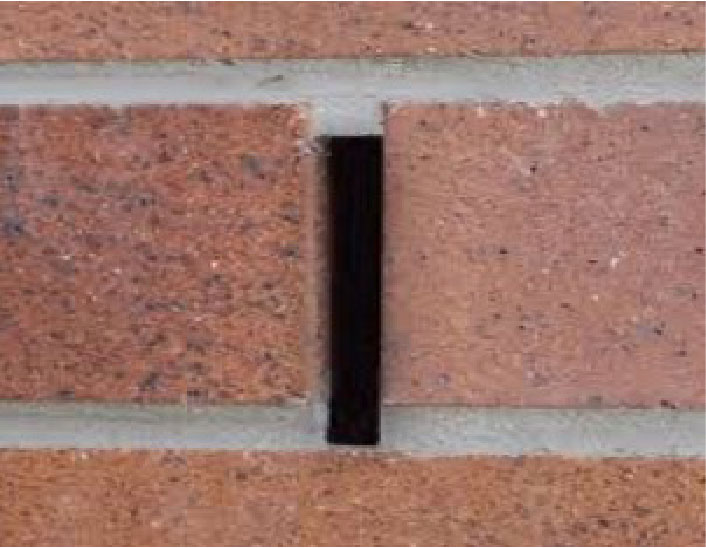
Open joint
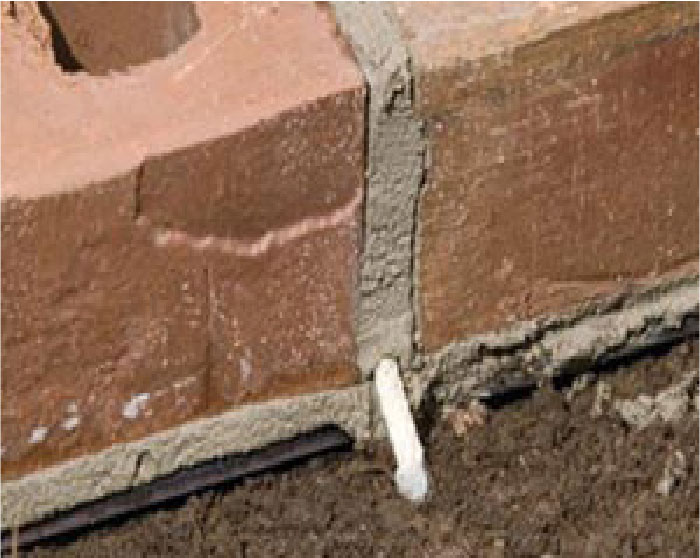
Rope wicks
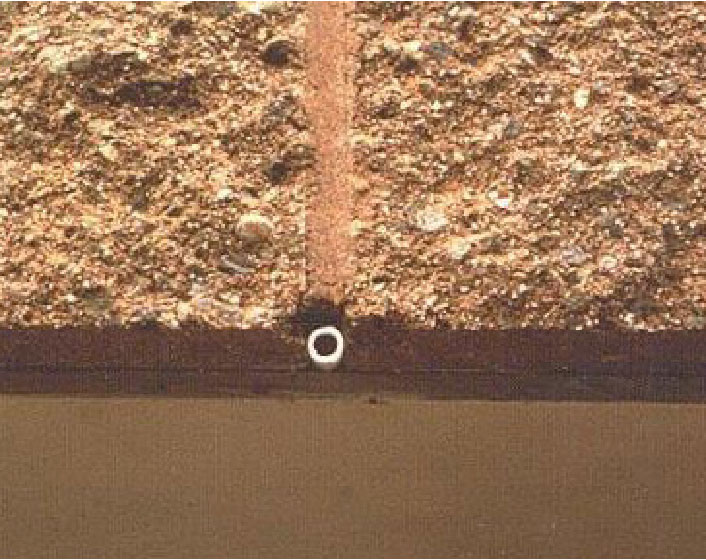
Weep tube
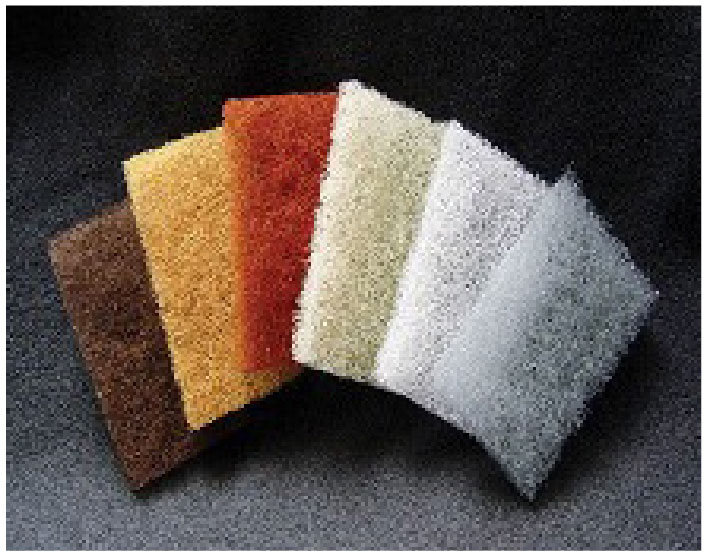
Corrugated Plastic: Positioned directly on the flashing and filling the height of the mortar joint, corrugated plastic weeps offer better performance compared to previous methods. However, they are not durable against long-term UV exposure, which can cause them to deteriorate. These should be placed every 24 inches.
Plastic Mesh: This option improves upon earlier materials by facilitating airflow and blocking animal entry, while still allowing optimal drainage. Like corrugated plastic, its main limitation is its vulnerability to long-term UV exposure, leading to material breakdown. These should be placed every 24 inches.
Stainless Steel Mesh: Exhibiting similar characteristics to plastic mesh in terms of drainage and airflow, stainless steel mesh stands out for its durability and resistance to UV damage. Made from Type 316 stainless steel, which is highly corrosion-resistant, this mesh is the most reliable long-term solution for masonry weeps. These should be placed every 24 inches.
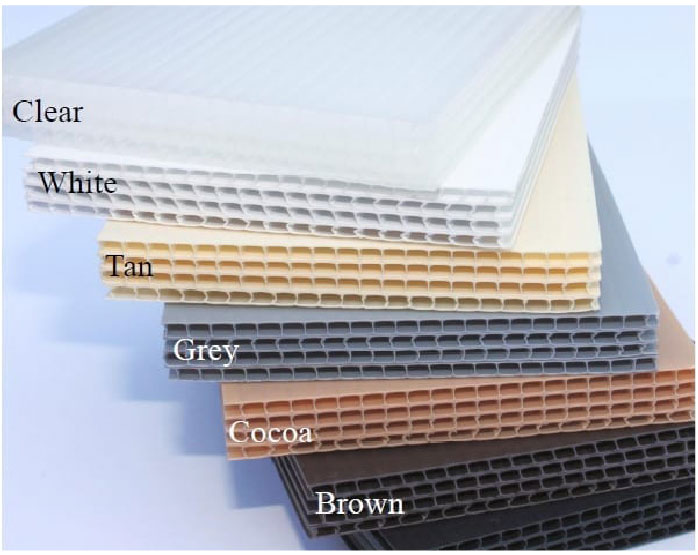
Corrigated plastic coming in various colors
Plastic mesh
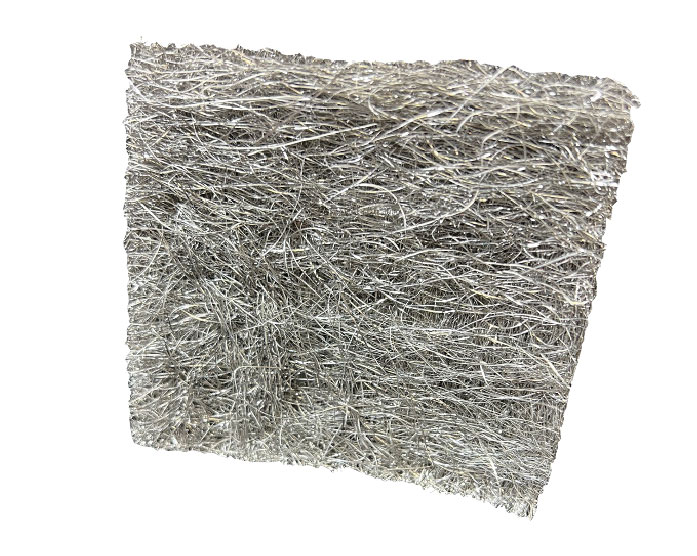
Stainless steel mesh
Each type of weep has its own set of features and challenges, and the selection should be tailored to the specific needs, longevity requirements, and environmental conditions of the building project. It is crucial to evacuate the water that infiltrates into the mason cavity walls for the long-term performance and health of the building. Masonry cavity walls employ “weeps,” which are a variety of devices designed to drain water. Choosing the correct type of weep can significantly impact the integrity and functionality of a wall.
The weeps all need to:
- Be placed directly on the masonry flashing to promote drainage and avoid the build-up of water in the wall.
- There should be a sloped mortar bed to help the water flow to the weeps.
- The weeps should always be at least six inches above the finished grade of your structure.

About the Author:
Craig Wetmore, FABAA, CDT, EBS, President of York Flashings, Second Vice Chair of the ABAA, Co-chair of the ABAA marketing committee, and the flashings and terminations task group. In 2020 Craig became a Fellow of the ABAA.
For more information, contact: York Flashings, (800) 551-2828, [email protected]