
Your Flashing Authority
The Value of the Mockup Process
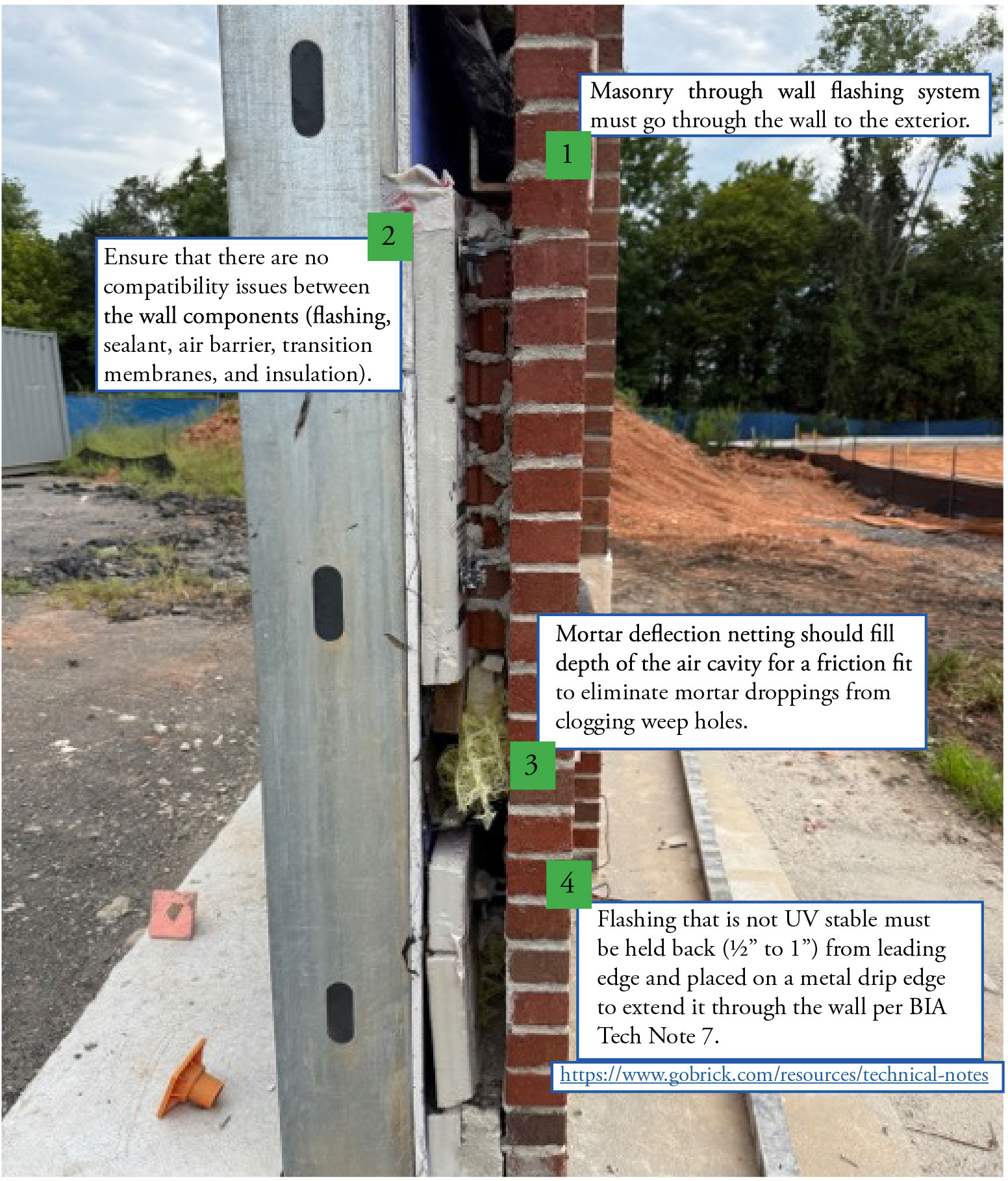
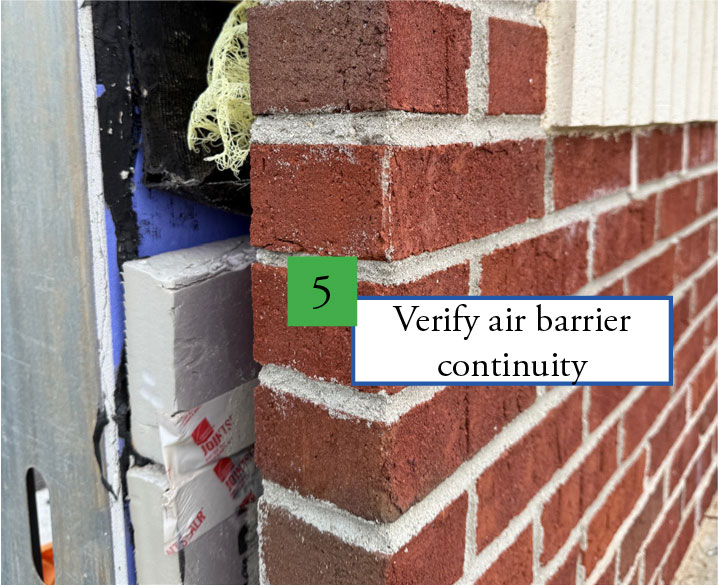
The mockup process is an essential pre-construction step in the project delivery process. It involves constructing full-scale prototypes of critical elements—such as walls, facades, transitions, roofs, or window assemblies—either on-site or in controlled environments. This allows stakeholders, including architects, engineers, contractors, consultants, and owners, to assess design intent, material compatibility, installation methods, and performance before full implementation.
Mockups primarily serve to mitigate risk and ensure quality. By identifying issues early, they help prevent costly rework. Typical evaluations include structural integrity, weather resistance, thermal performance, and visual alignment, ensuring compliance with building codes, energy standards (such as LEED or ASHRAE), and project specifications. Tests for water infiltration, air leakage, and thermal imaging can reveal flaws that might otherwise lead to long-term issues like mold, energy loss, or structural failure.
Additionally, mockups enhance collaboration and training by providing a tangible reference for subcontractors, reducing execution errors. On large projects, visual mockups refine aesthetics, while performance mockups verify systems such as curtain walls against wind or seismic loads. The initial investment in mockups is generally a small fraction of the overall project budget, but it delivers significant value by bridging the gap between design and construction, promoting efficiency, sustainability, and durability in commercial projects.

Written By:
Scott Hauser, Partner of SpecSouth Group, York Flashings Representative