
Your Flashing Authority
Reduce Your Stress, Run a Good Preconstruction Meeting
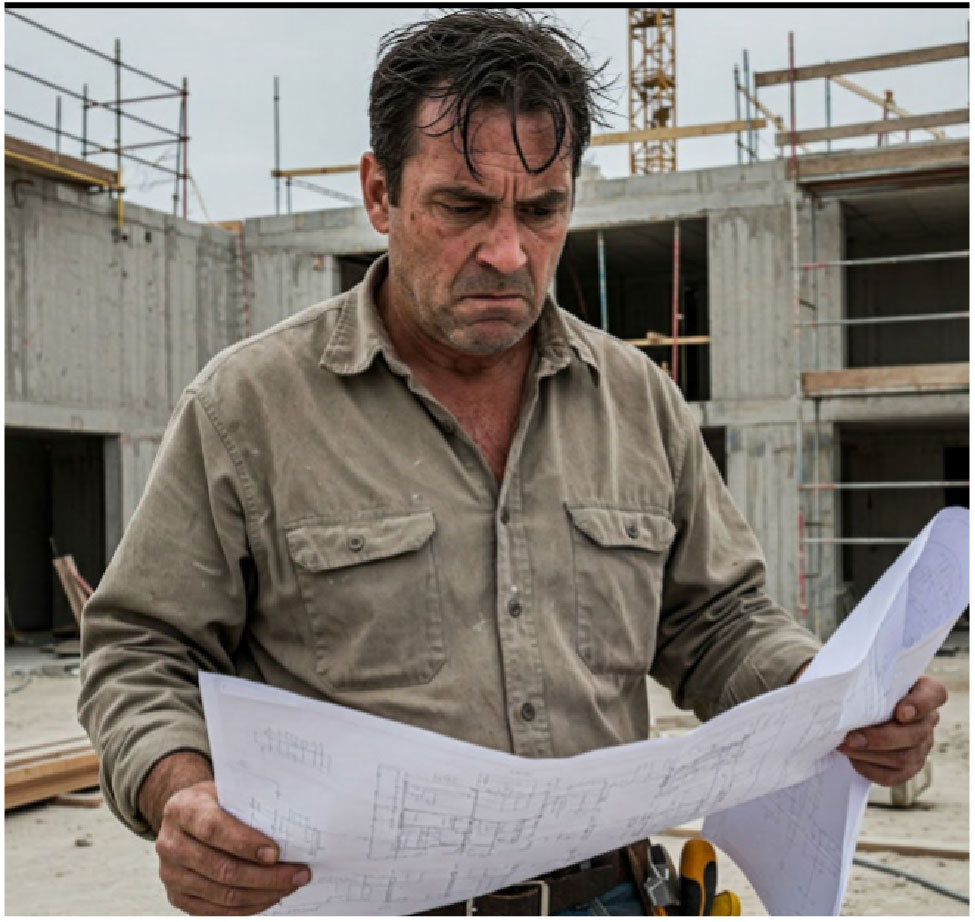
You currently have seventeen outstanding RFI’s, are eight days behind schedule (with good weather), and your quality manager just notified you there is missing head flashing above the first-floor windows (another “by-others” scope that was missed). Now brick work needs to be removed/reinstalled at the windows, add in the roofer just left your office asking how he is supposed to tie his air barrier into the vertical wall guys air barrier (no details for this), and to top it off, last night after working eleven stressful hours, you came home tired, frustrated, and you got into a meaningless argument with your significant other.
Sound familiar? Have you ever wondered how this job you always wanted, is now the bane of your existence. Could something have helped reduce this stress and streamlined your work so you had the information your trades needed at the right time, and materials could be installed in the proper order? Something to allow you to just put in nine hours a day rather than eleven, and you could go back to enjoying your job? Did you run a preconstruction meeting?
A preconstruction meeting is vital to establish good/open communication between the trade partners and with the construction manager. It can help refine a schedule, clearly identify scopes of work (and their respective handoffs), and help find missing details, products, and scopes of work before they cause significant issues/delays/RFIs. In other words, proper planning and a good preconstruction meeting can help reduce your field/construction issues and stress during construction. Unfortunately, many contractors do not schedule a preconstruction meeting; if they do, it is rarely adequately planned/run successfully. This meeting does take effort, attention to detail, teamwork/cooperation, and good leadership to be effective.
A preconstruction meeting should be required for all major construction phases (structural, enclosure, rough-in, and finishes). Timing-wise, it should take place one to two weeks before each major construction phase starts. Depending on size and complexity, your project may require additional preconstruction meetings.
Why hold a preconstruction meeting for the different phases of construction?
Project schedules are continually being reduced, owners are asking for more complex buildings, and adding in the potential for punitive damage should the project not be delivered on time. For today’s construction manager, there is no time for mistakes, rework, or delays. The project must run smoothly. For this to occur, the team needs to have all the required information in time for trade partners to be able to purchase the materials and install them in a timely and correct manner. Rushing installations or installing materials without all of the information causes rework and potential liability to the construction manager. These items can quickly escalate into lawsuits, costing millions of dollars, and damage the company’s reputation.
What occurs in a preconstruction meeting?
A good preconstruction meeting should validate schedule sequencing, durations for work areas, determine hand-offs between trades, discuss scopes of work that may have been missed, (window flashing for example) or doubled up on, and who will be contracted for those gaps, along with reviewing complex details or details which incorporate numerous trades in one location. An example is the “common” parapet roof/wall detail. I have sat in preconstruction meetings where this one detail has taken forty minutes to review, discuss, argue about, and finally confirm the installation sequence. The outcome included some trades, unfortunately, having to come back to that location more than once to install all their materials in a manner that would allow the building to perform correctly.
How do you run a good preconstruction meeting?
Preconstruction meetings should be held in an open communication style, where every person at the table has a voice. The meeting should be mandatory, and if not in the specifications, put language in your contract documents. Remember, the intent is to help all trade partners be as successful as possible while providing the owner the building they purchased.
Preparations for the meeting include finding a good space with a large Television (for reviewing prints, details, schedules, etc.). Someone from the construction manager should send out invitations to the meeting, including an agenda and overview/goals. Before the meeting, the construction manager should have reviewed and noted any details they found that incorporate numerous trades, by others, or are missing, to bring them quickly and easily to everyone’s attention. I have seen people print these off and provide a “booklet” to attendees, to ensure they are all reviewed.
The preconstruction meeting could last anywhere from a few hours to all day, so plan accordingly. If this is a complex phase of construction that looks like it might take half a day or longer, be prepared to provide lunch for the attendees. The agenda should also include a few breaks for people to take calls and respond to emails. Most importantly, have the right people from the trade partners at the meeting. This typically includes the trade partner superintendent, project manager, and manufacturer’s representative for high-risk scopes of work. The architect, consultants, and the owner/owner’s representative should also be invited. A good practice is to talk with the architect ahead of time and ensure they understand this is not a redesign meeting but a clarification meeting. There will most likely be RFIs generated from the meeting, and having the architect present will help them understand the context and urgency of the upcoming requests.
Well-prepared and executed preconstruction meetings will reduce stress for your projects during construction. Like anything else, running an excellent meeting will take practice and patience. Always remember the end goal: to help your trades partner be as successful as possible, by ensuring they have as much information as possible in a timely manner. Also, consider that no matter how collaborative you want to be, someone out there might make this process difficult. Have patience, keep the course, prepare, run the meeting, and reduce the stress you take home to your loved ones.
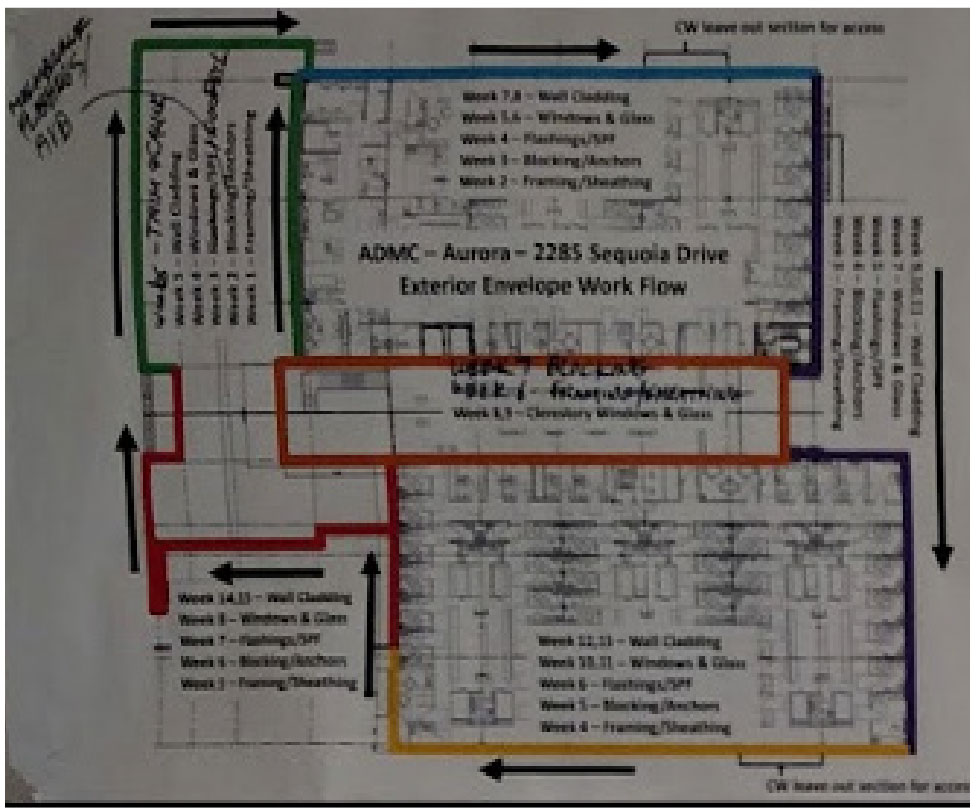
Enclosure Preconstruction Meeting: Sequence of work discussion
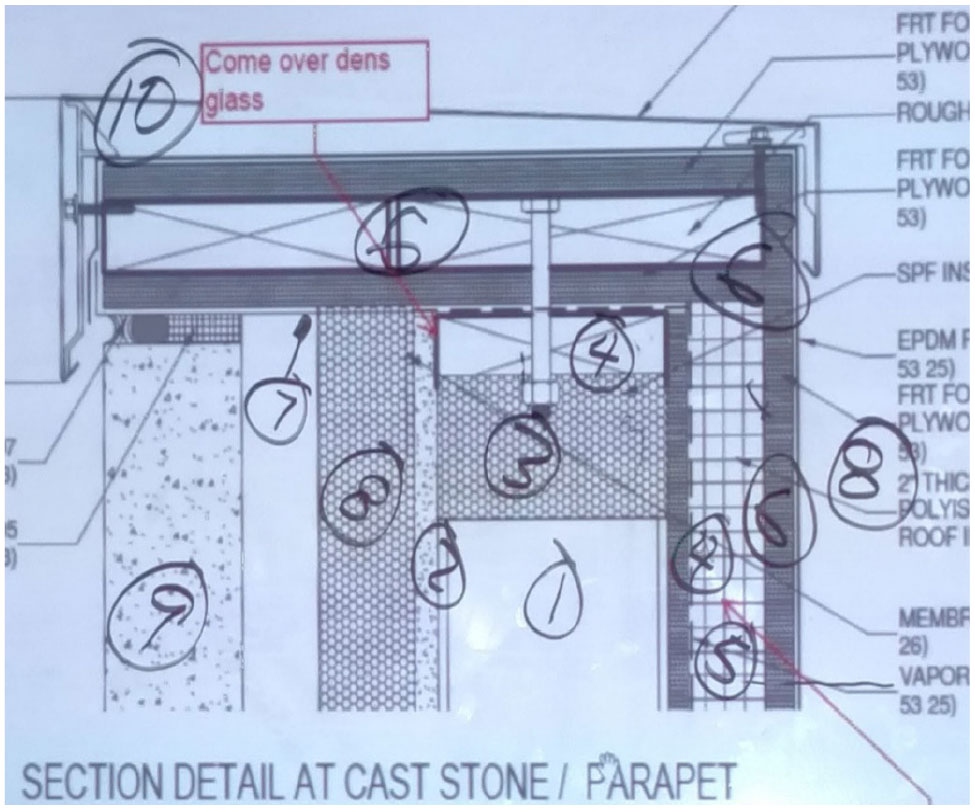
Parapet Roof-to-Wall detail discussion. Ten steps with multiple trades all interacting in the same area
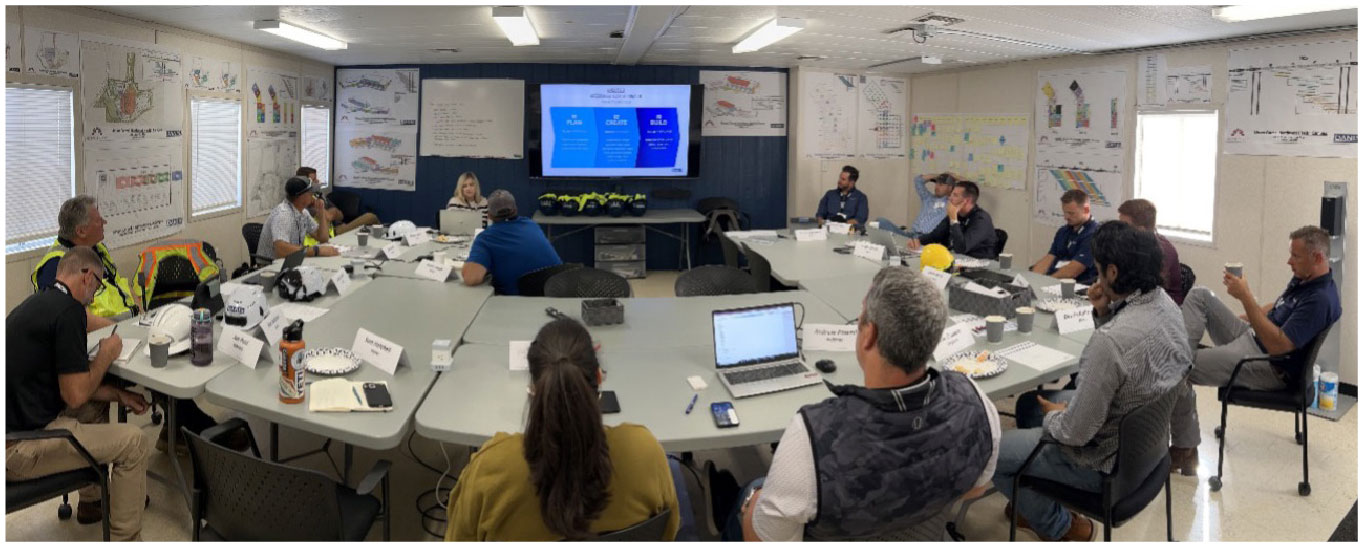
Find a good meeting space to hold the preconstruction meeting

About the Author:
Brian Stroik started a full-time quality construction career in 2003. He was a Past Chair, Fellow, and Certified Air Barrier Specialist (CABS) for the Air Barrier Association of America , a Past Chair of the National Building Enclosure About the Author: Council, a voting member of ASTM E06- Building Performance, on the Board of Directors for the Building Enclosure Technology and Environmental Council (BETEC) in Washington DC, Past Chair of the Building Enclosure Council of Wisconsin, a Union Trained Carpenter, former Quality Assurance Manager for a national Construction Manager, former residential construction company owner, and has a degree in Psychology.